
Expanding Access through Innovative Health Support
Healthcare continues to shift toward more accessible and technology-driven models. One of the most important developments has been the rise of tele-based systems that allow faster, more reliable communication between patients and providers. This shift benefits not only patients but also organizations seeking cost-effective, scalable ways to improve care delivery.

Tele triage has become a cornerstone of this evolution. It enables trained professionals to assess symptoms remotely, direct individuals to appropriate care, and reduce unnecessary visits to clinics or emergency rooms. By integrating this approach with broader digital strategies, organizations can enhance their services while improving patient satisfaction.
At the same time, tele advice complements tele triage by providing individuals with real-time information about managing health concerns, medications, and follow-up plans. Together, these tools ensure a smoother experience for patients navigating complex healthcare systems.
Strengthening Patient Support with Digital Integration
Modern healthcare organizations recognize the value of seamless support systems. Integrating tele triage with digital platforms streamlines workflows and improves accuracy. This approach also frees up resources, enabling healthcare teams to focus on critical cases while maintaining high-quality assistance for all patients.
Tele advice extends these benefits by offering personalized recommendations through secure channels. It allows patients to receive tailored instructions without waiting for in-person appointments, reducing stress and improving adherence to care plans. This efficiency boosts patient trust and encourages proactive health management.
Care Agent BPO exemplifies how outsourced support teams can amplify the reach of tele-based systems. With trained professionals and robust infrastructure, organizations can scale their operations, enhance reliability, and maintain compliance standards. This creates a supportive framework for patients while improving overall operational performance.
What Is the Difference Between Tele Triage and Tele Advice
Tele triage and tele advice may sound similar but they serve distinct roles in patient support.

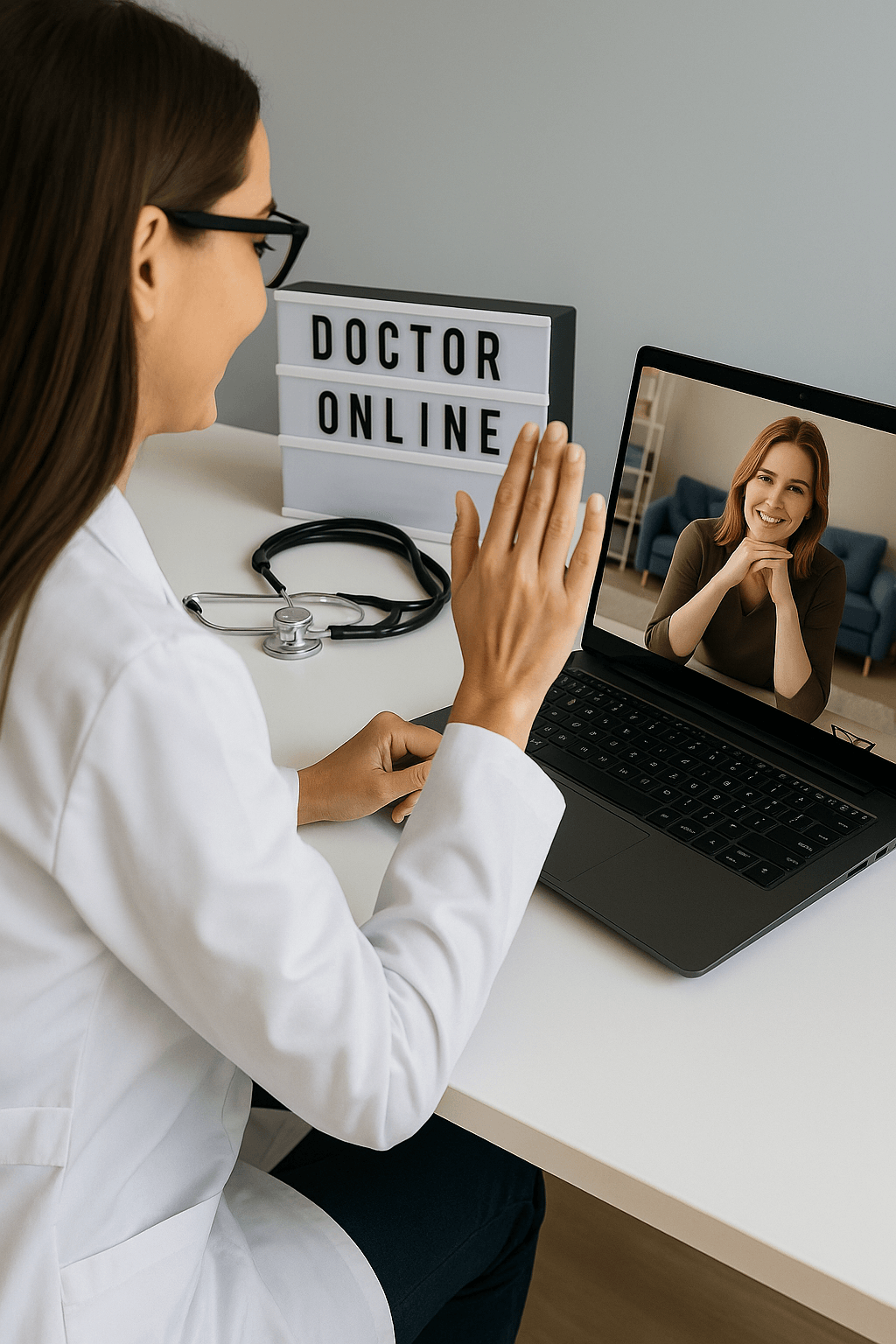
Tele advice, in contrast, emphasizes education and guidance rather than formal assessment. It offers information on medications, recovery tips, or lifestyle adjustments that help patients manage their conditions safely at home. This ongoing support reinforces patient confidence and helps prevent unnecessary hospital visits.
Understanding this difference is essential in healthcare because it promotes better outcomes, lowers costs, and maximizes available resources. By integrating both tele triage and tele advice, organizations provide a complete virtual support system that strengthens patient relationships, enhances healthcare coordination, and improves long-term care quality.
Integrated Services and Scalable Solutions for Patient Care
Healthcare organizations now look to integrated platforms that combine tele triage, tele advice, and other digital tools into a single ecosystem. This unified model ensures continuity of care, making it easier to track patient journeys and identify areas for improvement.
By adopting such integrated systems, organizations can offer diverse services while maintaining a consistent quality standard. They can collect valuable data to improve decision-making and plan more effective interventions. Patients, in turn, enjoy shorter wait times, clearer communication, and easier access to professionals who can address their concerns.
Outsourcing partners also play a role in scaling these solutions. With robust contact center infrastructures, they provide skilled agents trained in clinical guidance, ensuring that every patient interaction is handled with professionalism and empathy. This approach enables rapid response times even during peak periods.
Building Trust and Reliability in Virtual Care Systems
Trust is essential when delivering care remotely. Patients must feel confident that their information is secure, their questions are answered accurately, and their care pathways are clear. Virtual care systems achieve this through transparent communication, well-trained staff, and reliable technology platforms.

One key advantage of these systems is healthcare coordination. Patients benefit from seamless handoffs between tele triage, tele advice, and in-person services. This continuity prevents confusion, reduces errors, and promotes better outcomes. By leveraging healthcare outsourcing and contact center expertise, organizations can maintain this high standard of care across all channels.
Virtual care also supports clinicians by giving them structured data from patient interactions. This helps inform diagnosis, treatment plans, and follow-up strategies. When combined with clinical guidance protocols, it ensures a consistent approach that reflects best practices in healthcare.
For readers interested in how telehealth systems and digital health frameworks develop, the National Institutes of Health Telehealth Information page provides a neutral and comprehensive look at evidence-based approaches. This external resource offers insights into telehealth’s impact on access, cost, and outcomes.
Step Into the Future of Tele Based Care Today
Your organization can seize the benefits of tele triage and tele advice right now. By adopting these tools, you can extend your reach, improve patient satisfaction, and streamline operations. Integrated platforms, skilled agents, and reliable infrastructure allow you to deliver care that meets today’s expectations while preparing for tomorrow’s challenges.
Make today the moment you explore the possibilities of advanced patient support systems. With the right combination of technology, services, and trained professionals, your team can build a healthcare experience that is responsive, scalable, and trusted. As telehealth continues to grow, embracing these strategies will position your organization as a leader in connected care.
Visit the National Institutes of Health Telehealth Information page to learn more about evidence-based telehealth frameworks. Understanding the broader landscape can help you plan your own journey toward a more efficient and patient-centered model of care.