
Different Needs Across the Patient Care Continuum
Patient care rarely follows a single path. Needs shift depending on urgency, complexity, and timing. Some situations require immediate assessment. Others call for guidance after decisions are made. Understanding these differences helps organizations deliver care more effectively.
In modern healthcare, support teams play a critical role in bridging gaps. Care Agent BPO focuses on providing scalable services that adapt to these varying needs. Instead of applying one solution everywhere, care models rely on distinct approaches that serve different moments in the patient journey.
This distinction matters because care delivery continues to evolve. As access expands, organizations must manage higher volumes without sacrificing quality. Clear differentiation between approaches helps streamline operations and protect outcomes.
Support teams working within a healthcare call center environment often encounter patients at different stages. Some callers need immediate direction. Others need reassurance or next steps. Treating these interactions the same creates inefficiency.
Recognizing distinct approaches also improves staffing and training. Teams can specialize. Workflows become clearer. Performance improves.
In modern healthcare, patient expectations continue to rise. Timely responses matter. Accurate information matters. Support models must reflect this reality.
By understanding how different approaches function within care delivery, organizations can build systems that respond appropriately. This clarity supports better experiences for patients while strengthening internal healthcare operations.
Early Assessment as a Critical Point of Contact
Some patient interactions require immediate evaluation. These moments often involve uncertainty and urgency. Early assessment helps determine severity and next steps quickly.
This is where Tele Triage plays a vital role. It focuses on gathering information, identifying risk, and directing patients appropriately. Rather than providing treatment, this approach evaluates symptoms to decide what level of care is needed.
Assessment reduces unnecessary escalation. It helps prevent overcrowding while ensuring urgent cases receive attention. This efficiency benefits both patients and providers.
In a medical call center, triage specialists rely on structured protocols. Questions follow defined logic. Responses guide decision-making. This consistency improves reliability.
Early assessment also supports safety. When symptoms suggest higher risk, triage directs patients to appropriate care quickly. When symptoms appear manageable, reassurance prevents unnecessary visits.
This approach supports scalability. As call volume increases, triage processes help manage demand. Teams focus resources where they matter most.
Assessment-based interactions require clarity and speed. They depend on trained professionals and standardized workflows. When implemented correctly, triage strengthens the front line of care delivery and supports effective system management.
Ongoing Guidance That Supports Informed Decisions
Not every patient interaction requires assessment. Many occur after decisions are already made. In these cases, guidance becomes the priority.
Tele Advice focuses on providing information, clarification, and reassurance. It helps patients understand instructions, medications, or next steps. This approach supports continuity rather than evaluation.
Guidance interactions emphasize communication. Patients seek answers. They want confidence. Clear explanations reduce anxiety and improve adherence.
Support teams operating within medical support services environments handle these interactions frequently. The goal is to reinforce care plans, not alter them.
Effective guidance improves outcomes. When patients understand what to do, they follow instructions more consistently. This compliance supports recovery and reduces repeat calls.
Guidance also strengthens patient experience. Feeling supported builds trust. Trust encourages engagement.
Unlike assessment, advice requires patience and clarity. Tone matters. Language matters. These interactions shape perception.
In care delivery, guidance complements assessment. Both serve different purposes. Recognizing this distinction helps organizations deploy resources effectively and improve overall care quality.
Continuous Monitoring Beyond Initial Interaction
Some care needs extend beyond calls. Ongoing oversight supports patients managing chronic conditions or recovery. Continuous monitoring bridges this gap.
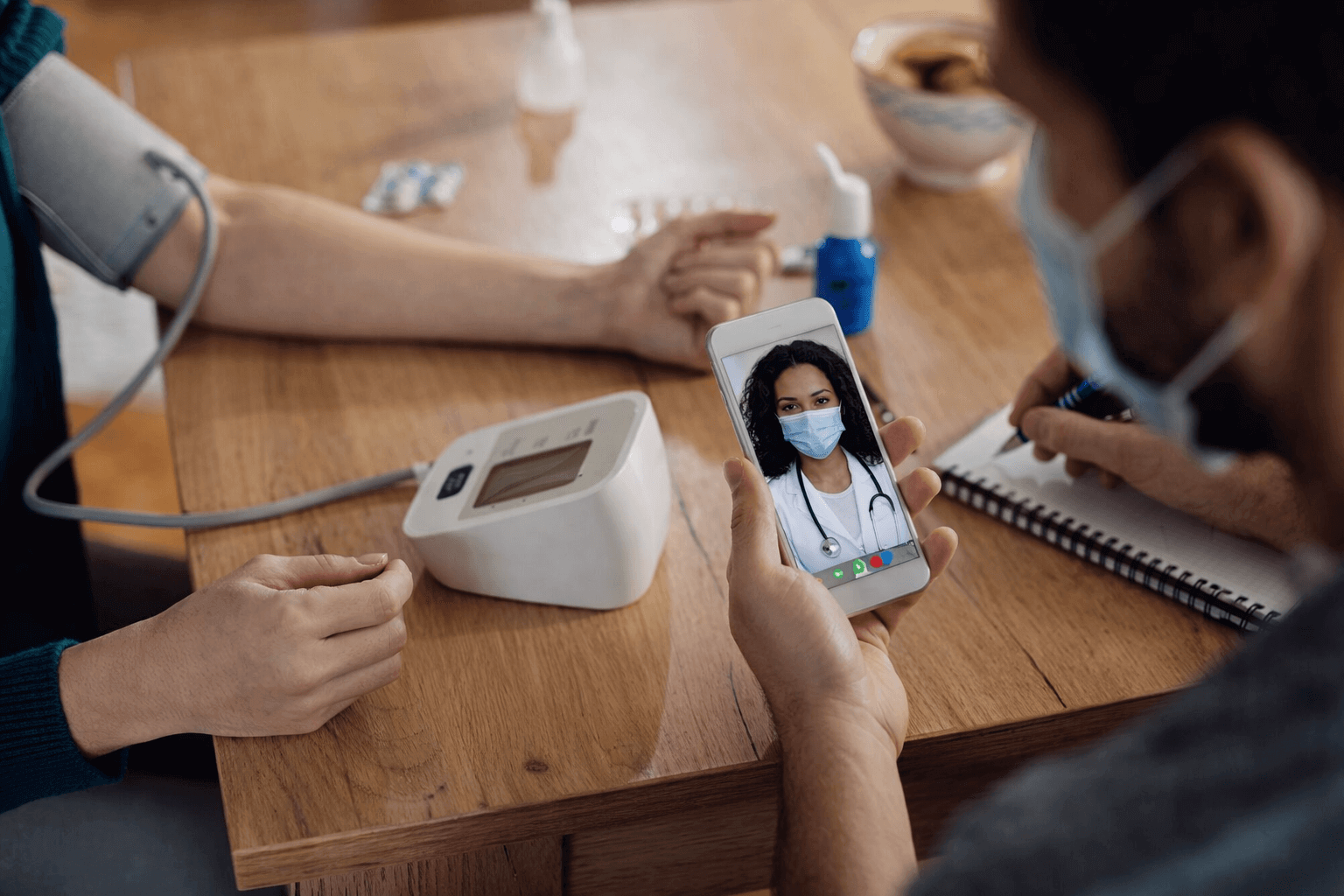
RPM-HT: Remote Patient Monitoring enables consistent observation of patient data over time. Rather than responding only when patients call, teams receive ongoing insights.
Monitoring supports proactive care. Changes in data trigger action before issues escalate. This early intervention improves outcomes.
Within broader healthcare operations, monitoring reduces strain on acute services. It shifts focus toward prevention and management.
Remote monitoring also enhances coordination. Data flows to care teams. Decisions become informed by trends rather than isolated events.
This approach complements assessment and guidance. Triage addresses immediate concerns. Advice supports understanding. Monitoring maintains long-term visibility.
Together, these approaches create a comprehensive care framework. Each serves a distinct role while contributing to continuity.
As care models evolve, monitoring becomes increasingly important. It supports scalability while maintaining quality.
A Thoughtful Balance Across Care Delivery Models
Effective care delivery depends on balance. No single approach fits every situation. Assessment, guidance, and monitoring each serve a purpose.
Organizations that recognize these distinctions build stronger systems. They deploy teams intentionally. They improve outcomes while controlling costs.
Support partners like Care Agent BPO help organizations manage this complexity. By offering specialized solutions, they support adaptable care models.
If your organization seeks clarity across care approaches, understanding these distinctions is a strong starting point.
The right balance strengthens efficiency, experience, and trust across care delivery.