
Human Centered Support Within Modern Care Environments
Healthcare conversations often happen during moments of stress. Patients call with questions, concerns, or uncertainty. Therefore, support must feel calm, respectful, and clear. At the same time, systems must work quickly and accurately. This balance defines strong patient engagement today.
Care Agent BPO focuses on delivering healthcare services that support both emotional care and operational reliability. The approach centers on listening first. When patients feel heard, they respond with trust. That trust improves communication and reduces repeated outreach.
Empathy does not slow performance. Instead, it improves it. Clear conversations prevent confusion. Patients understand next steps. As a result, follow-ups become smoother and more efficient.
Healthcare support teams also rely on structure. Clear workflows help agents respond with confidence. When systems guide conversations, staff focus on people rather than procedures. This focus improves consistency across interactions.
Technology plays a quiet role here. Digital tools support documentation and routing. However, the human element remains central. Compassion builds connection. Structure supports clarity.
Short wait times matter. So does tone. Patients notice both. When teams balance warmth with accuracy, support feels dependable. That balance shapes trust across the care journey.
Ultimately, patient support works best when empathy and efficiency reinforce each other. Together, they create experiences that feel respectful, responsive, and reliable.
Continuous Awareness Through Patient Monitoring and Connection

Ongoing care depends on timely insight. RPM-HT: Remote Patient Monitoring supports this need by tracking patient data outside clinical settings. This visibility allows teams to respond before issues escalate.
Remote monitoring reduces unnecessary visits. Patients stay comfortable at home. At the same time, providers stay informed. This balance supports both convenience and safety.
Support teams play a vital role. They review alerts. They communicate changes. When data signals concern, outreach happens quickly. Patients feel supported rather than watched.
Clear communication matters here. Patients must understand what monitoring means. Education builds confidence. When people know why data matters, they engage more actively.
This approach also improves efficiency. Automated tracking reduces manual follow-ups. Teams focus on meaningful interactions instead of routine checks. That focus improves care quality.
Remote monitoring supports broader healthcare operations as well. Data flows into care plans. Providers adjust treatment with confidence. Support teams align with clinical goals.
Empathy remains essential. Conversations around health data require sensitivity. Support teams explain results calmly. They answer questions clearly. This approach reduces anxiety.
By combining awareness with compassion, remote monitoring strengthens patient trust. Care becomes proactive instead of reactive. Efficiency improves without losing the human touch.
Responsive Decision Support During Moments of Patient Concern
Urgent questions require immediate guidance. Tele Triage provides that clarity when patients are unsure about next steps. This service helps determine care urgency quickly and safely.
Support teams follow structured protocols. They assess symptoms. They ask clear questions. Based on responses, they guide patients toward appropriate care. This structure prevents confusion.
Patients benefit from reassurance. Knowing someone is listening reduces stress. Clear explanations help patients feel in control. This confidence supports better outcomes.
Tele triage also improves system efficiency. Emergency resources stay available for critical cases. Non-urgent concerns receive appropriate direction. This balance protects care capacity.
Accuracy matters. Support agents rely on training and clear guidelines. Consistency ensures reliable recommendations. Patients trust the process when responses feel confident and calm.
This service also supports continuity. Information flows to care teams. Follow-up happens smoothly. Patients avoid repeating details.
From an operational view, tele triage strengthens a medical call center environment. Call routing improves. Resolution times shorten. Patients receive answers faster.
By combining structured assessment with empathetic communication, tele triage supports safe, efficient care. Patients feel supported. Systems stay responsive. Outcomes improve across the board.
Guided Conversations That Build Confidence and Understanding
Clear advice shapes patient decisions. Tele Advice supports patients who need guidance without immediate escalation. These conversations focus on education and reassurance.
Patients often seek confirmation. They want to know if symptoms are normal. They ask about medication use or care steps. Calm explanations reduce uncertainty.
Support agents provide clarity through simple language. They avoid medical jargon. Instead, they explain options clearly. This approach empowers patients to act confidently.
Tele advice also supports patient experience. Short wait times matter. So does tone. When conversations feel respectful, patients remain engaged.
Operational efficiency improves as well. Many concerns resolve during the call. Fewer transfers occur. Follow-ups decrease. This efficiency supports sustainable support models.
Documentation plays a role. Clear notes ensure continuity. Care teams stay informed. Patients avoid repeating questions.
From a broader view, tele advice supports modern healthcare delivery. It bridges gaps between visits. It supports access for remote patients. Care feels available, not distant.
By blending empathy with structured guidance, tele advice strengthens trust. Patients feel supported. Systems remain efficient. This balance defines effective patient communication.
A Support Partnership Focused on Clarity and Continuity
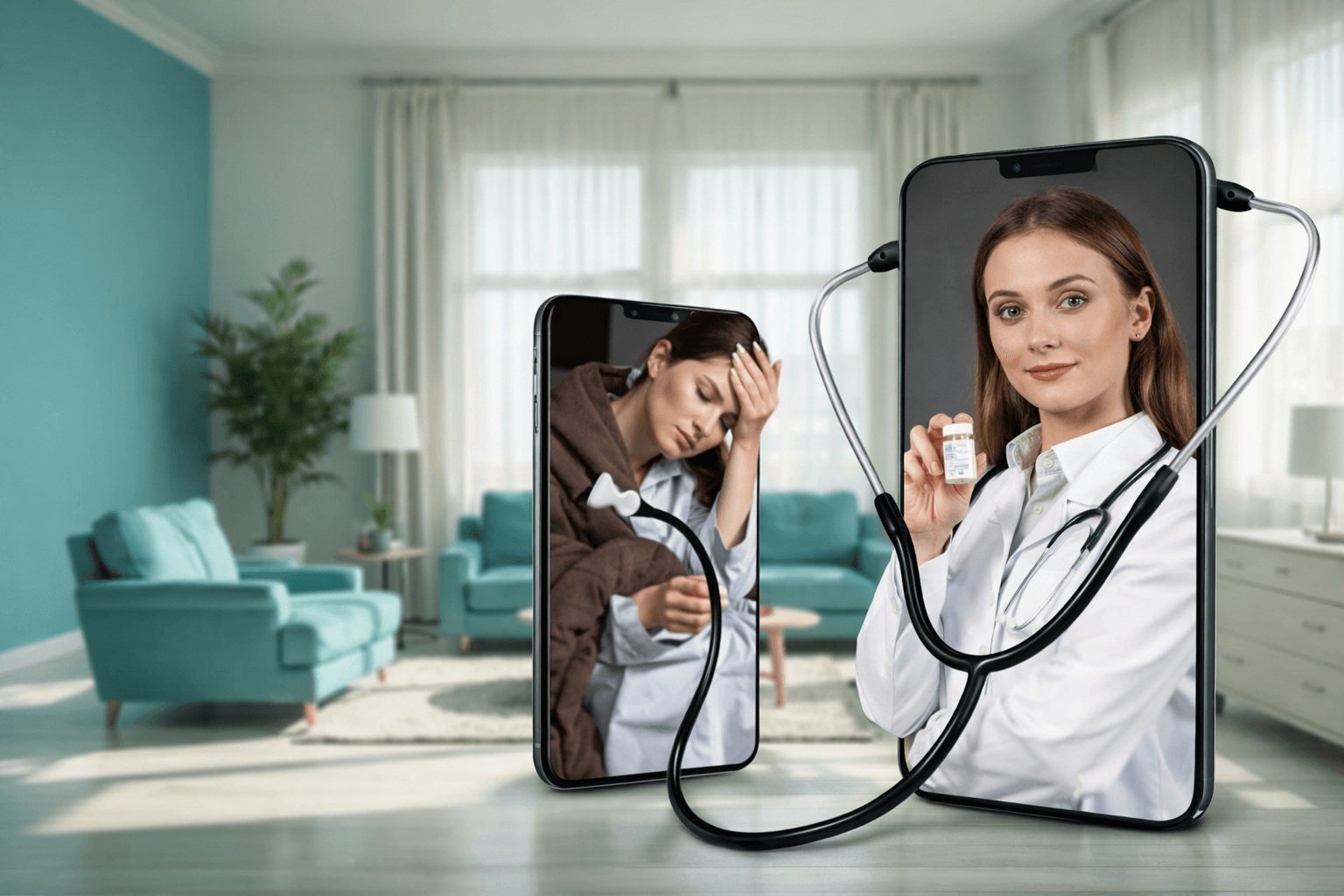
Patient support succeeds when communication feels natural. Empathy guides tone. Efficiency shapes structure. Together, they create dependable care experiences.
Healthcare organizations seek partners who understand both sides. Support teams must navigate emotion and accuracy with equal care. This balance protects trust.
Care Agent BPO supports this balance through thoughtful systems and trained professionals. The focus remains on clarity, responsiveness, and respect. Patients feel valued. Providers feel supported.
Strong support reduces friction across workflows. Clear conversations reduce errors. Accurate documentation supports follow-up. Even complex topics like claims become easier to manage when communication stays clear.
Connection matters. Patients remember how support made them feel. Confidence builds loyalty. Clear guidance reduces repeat concerns.
Sometimes, improvement begins with conversation. Exploring support options can reveal opportunities for better flow and stronger engagement.
When empathy and efficiency work together, patient support feels steady. Care continues smoothly. Everyone moves forward with confidence.