
Overview
Remote triage has become an essential pillar of modern health systems. It allows patients to reach skilled professionals from their homes, reducing stress and waiting times. It helps providers manage demand, allocate resources, and deliver faster, more accurate care. Yet what most people see is only the surface of a complex process. Behind the scenes is a network of systems, training, and safeguards that ensures the highest level of patient experience. This article explores how unseen elements combine to create excellence in remote triage and why understanding them can guide stronger services.
Systems Behind Remote Triage Excellence
The most powerful factor in remote triage excellence is the strength of its systems. Sophisticated communication platforms connect patients with professionals across multiple channels including phone, video, and secure chat. These systems keep records synchronized with electronic health records for seamless coordination. Decision support engines assist staff in identifying urgency, spotting red flags, and directing patients to the right level of care.
Technology integration is equally important. Systems that link triage data with appointment scheduling, follow up reminders, and patient portals deliver continuity of care. This integration reduces errors and improves trust. When systems operate well behind the scenes, patients notice smoother interactions and more predictable results.
Services are also expanded by connecting triage teams with wider networks of clinics and hospitals. This allows for faster referrals and better resource allocation. In turn, organizations see fewer bottlenecks and higher satisfaction scores. These systems form the invisible backbone of patient care.
Training Programs Building Skilled Support Teams
Remote triage relies on well trained professionals who can combine empathy, accuracy, and speed. Training programs teach staff to recognize urgent symptoms, follow standardized protocols, and communicate clearly with diverse populations. They include modules on medical terminology, decision trees, and cultural sensitivity.

Regular practice sessions, simulations, and mentoring deepen skills over time. This is especially critical in high stakes situations where quick and accurate judgments matter. Behind the scenes, quality assurance staff review calls, provide feedback, and coach for improvement. This loop strengthens performance and maintains consistency.
The role of Care Agent BPO providers in remote triage shows how outside partners can complement existing teams. When tasks such as appointment scheduling, initial intake, or follow up calls are outsourced, hospitals can focus on critical care while maintaining quality. This approach works best when training and oversight are tightly coordinated.
Training programs are not static. They adapt to new regulations, technologies, and patient needs. By investing in ongoing development, organizations build teams that can respond effectively to changing conditions while keeping patient experience at the center.
How Does Technology Shape Patient Experience
Technology shapes patient experience in subtle but powerful ways. Automated triage questionnaires guide patients through initial assessments, ensuring key details are collected before a professional even joins the call. Ai assisted tools highlight potential risks and recommend actions, reducing delays and errors.
Secure messaging platforms provide instant updates and enable patients to ask questions on their own time. Patients appreciate being able to reach out outside traditional office hours. This continuous access builds trust and engagement.
The data collected during these interactions flows back into analytics dashboards. Health systems can track trends, identify gaps, and plan resources more effectively. This means fewer bottlenecks, shorter wait times, and more personalized care plans.
Technology integration also boosts accessibility. Patients with mobility challenges, rural addresses, or limited transportation gain equal access to skilled support. In turn, organizations meet broader equity goals while improving patient satisfaction.
Data Security and Quality Assurance in Health Systems
Data security forms the silent shield protecting every interaction. Remote triage systems store sensitive health information using advanced encryption and secure servers. Strict authentication protocols ensure only authorized staff can access patient records. These safeguards meet national standards and healthcare regulations, maintaining public trust.
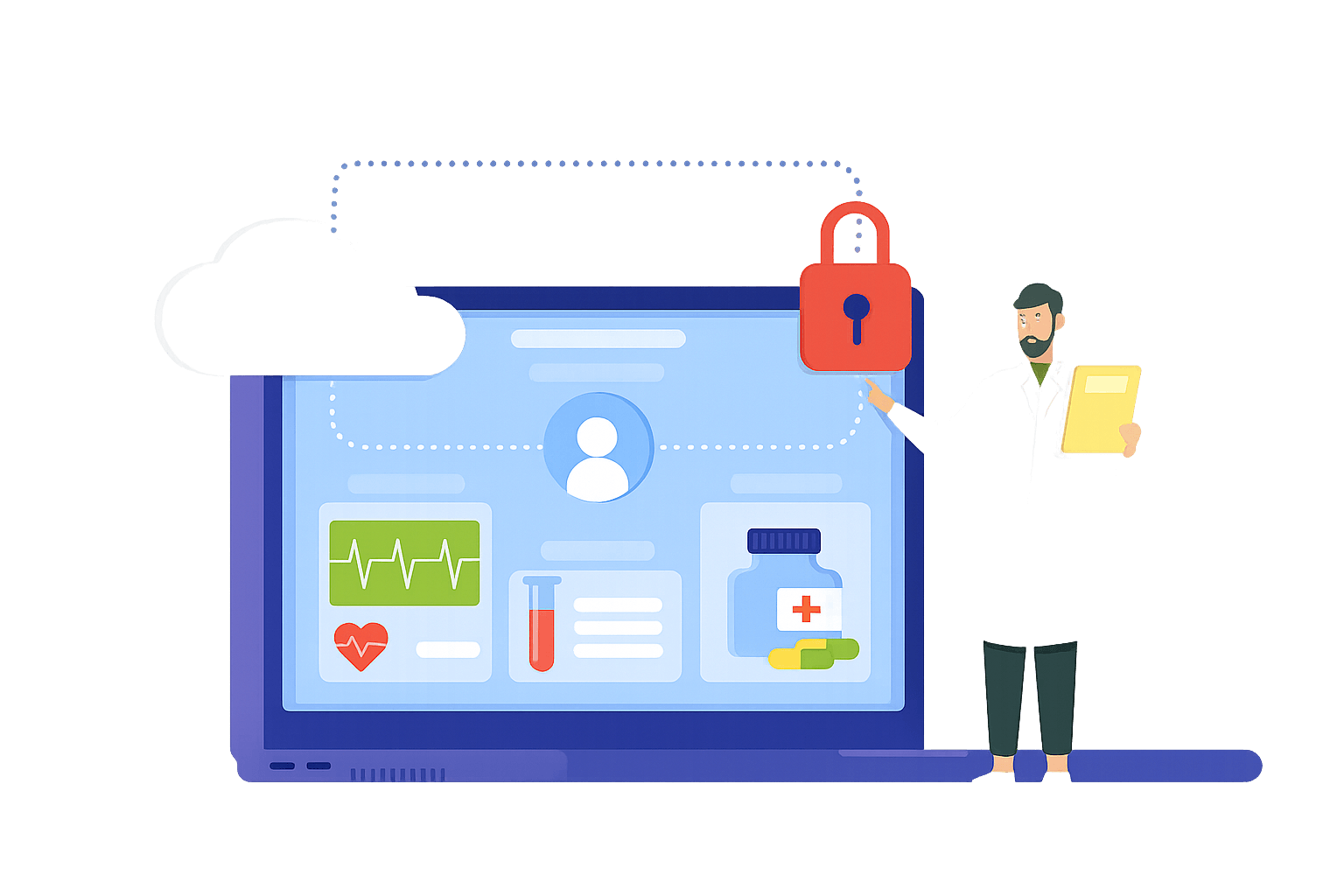
Quality assurance runs alongside security. Continuous call reviews, performance tracking, and system audits identify areas for improvement. This ensures consistent adherence to clinical protocols and customer service standards. Patients benefit from reliable, accurate information delivered with empathy.
Health systems use dashboards to monitor key performance indicators such as call handling times, triage accuracy, and escalation rates. This visibility helps leaders fine tune operations and maintain high standards.
Behind the scenes, these combined efforts create an environment where staff feel supported and patients feel safe. Without robust data security and quality assurance, remote triage would struggle to earn confidence from the public.
Strengthening Knowledge of Remote Triage
External resources help organizations keep pace with evidence based practices. For example, the U.S. Department of Veterans Affairs provides detailed research on remote triage effectiveness. This government source offers insight into best practices, technology evaluation, and patient outcomes. By referencing reputable studies, organizations can refine their own models and avoid costly missteps.
This transparency builds credibility and trust. It shows a commitment to continuous improvement and to grounding decisions in real world data.
Reading and applying insights from credible resources such as government or educational websites supports innovation and strengthens patient experience. It also signals to patients and partners that an organization values learning and evidence.
Building the Future of Remote Health Support
Excellence in remote triage does not happen by accident. It grows from a commitment to systems, training, security, and continuous learning. Every unseen detail contributes to safer, faster, and more effective patient support.
If you are ready to enhance patient experience and improve the reliability of your remote triage systems, the time to act is now. Begin by assessing your existing infrastructure, updating training programs, and ensuring your data security measures are current. Explore technology integration options that streamline care and improve coordination.
Reach out today to start a conversation with our team about designing a remote health support program that stands out for quality, compassion, and innovation. Together we can build a stronger path from first contact to long term care, ensuring your organization leads in remote triage excellence.